

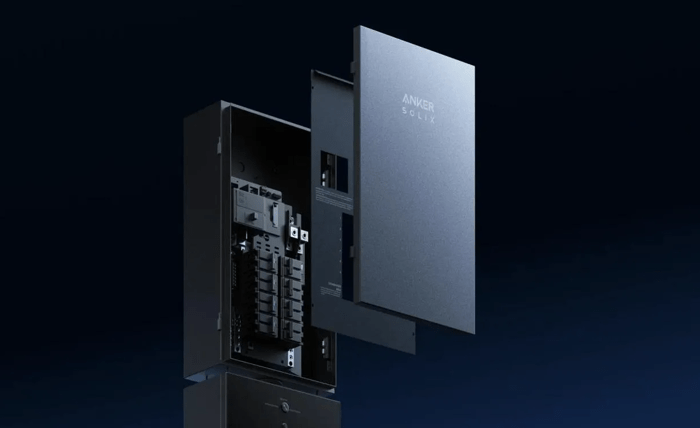
Whole home generator runtime during an outage comes down to one practical question: how long can your backup system keep essential circuits and major appliances running before fuel or stored energy runs out? For fuel-based generators, runtime depends on tank size, refueling access, and how heavily the home loads the system. For battery-backed setups, runtime depends on usable capacity, charging speed, solar input, and whether a smart generator supports recharging. A modern system such as the Anker SOLIX E10 Whole-Home Backup combines battery storage, solar, and a 4.5kW smart generator to support extended backup planning. Understanding runtime factors helps homeowners estimate outage coverage more accurately, reduce strain on the system, and prepare for short disruptions or multi-day grid failures with greater confidence.
What Determines Whole Home Generator Runtime?
Fuel Supply, Tank Capacity, and Generator Type
Generator runtime starts with the energy source feeding the system. A natural gas standby unit can run continuously as long as gas service remains available, which makes it attractive for long outages. Propane and diesel systems depend on onsite storage, so runtime is tied directly to tank capacity and refill logistics. Portable and standby models also differ in duty cycle, cooling design, and intended operating hours. A whole home generator provides a different level of backup coverage because it is designed to support multiple household circuits and larger energy demands. Battery-based whole-home backup works differently because runtime is measured by stored kilowatt-hours rather than gallons. The backup source matters because each option has different limits during storms, utility failures, or access disruptions. When planning outage coverage, match the generator type to local fuel reliability, climate conditions, and expected outage duration.
Home Energy Load and High-Power Appliances
The faster your home consumes electricity, the shorter backup runtime becomes. Core loads such as refrigeration, lighting, internet, medical devices, and a few outlets draw far less power than electric water heaters, ovens, dryers, and central air conditioning. Large startup surges matter too, because motors can briefly demand much more power than their running wattage. The Anker SOLIX E10 power module supports 7,680W continuous output with battery, 10,000W turbo backup output for 90 minutes, and 22.8 to 66kW surge capability, enough to start a 5-ton central A/C with 120 to 175 LRA. Those specifications show why runtime calculations must include both sustained demand and short, high-current startup events across the home.
Generator Runtime by Backup Power Source
Natural Gas, Propane, and Diesel Runtime
Natural gas generators offer the longest practical runtime because they connect to a utility gas line instead of relying on stored fuel. If gas service stays uninterrupted, they can support multi-day outages with routine maintenance breaks. Propane runtime depends on tank size and load; a lightly loaded system can stretch fuel significantly longer than one powering air conditioning and electric heat. Diesel units also provide strong extended performance, but they require safe fuel storage, periodic fuel management, and timely deliveries during major outages. In all three cases, runtime improves when the generator avoids unnecessary loads. Homeowners should estimate expected consumption at partial and heavy loads, then compare those figures with realistic fuel access during emergencies.
Battery Capacity, Solar Recharging, and Runtime
Battery backup runtime depends on usable storage and how quickly the system can recharge. More battery capacity means more hours of support for essential loads and better coverage overnight or during cloudy weather. Solar can extend runtime dramatically by replenishing the battery during daylight, especially when the home limits consumption to priority circuits. The Anker SOLIX E10 Whole-Home Backup is designed around that approach, with 6 to 90kWh battery expandability, 9 to 27kW solar input across the system, and support for battery, solar, and a smart generator together. With enough stored energy and daytime charging, homeowners can sustain backup much longer than a battery-only setup. Runtime planning should account for seasonal solar production and nighttime demand.
How to Extend Backup Runtime During an Outage
Prioritize Essential Loads and Reduce Power Demand
The simplest way to extend runtime is to power fewer things. Start by identifying essential loads: refrigerator, freezer, lights in key rooms, internet equipment, sump pump, security system, and any medical devices. Then delay or avoid heavy loads such as clothes dryers, ovens, pool equipment, and unnecessary air conditioning zones. If central A/C is needed, raise the thermostat a few degrees to reduce cycling time. Turn off phantom loads from chargers and entertainment devices when they are not needed. Smart load management and disciplined household habits can add meaningful hours to backup duration. During a long outage, treating your home like a limited-energy system protects comfort longer and reduces the chance of depleting fuel or battery reserves.
Plan Fuel, Charging, and Generator Maintenance
Extended outage performance depends on preparation before the lights go out. For fuel generators, keep propane or diesel supply plans updated and confirm how quickly refills can be delivered after severe weather. For battery systems, check charge status ahead of storms and understand how much solar production you can expect in your region and season. Maintenance also affects runtime because neglected equipment can shut down before fuel or stored energy is exhausted. A system with reliable backup switching and weather-resistant hardware is easier to depend on over long events. The Anker SOLIX E10 includes plug-and-play installation options, works with an existing transfer switch and inlet box, offers up to 4,500W DC generator input, and carries a NEMA Type 4 IP66 enclosure rating.

Conclusion
A whole home generator can run for hours, days, or far longer when the system is matched to the home’s real energy needs and supported by a solid backup plan. Natural gas offers the longest continuous operation where utility gas stays available. Propane and diesel provide dependable backup when fuel storage and delivery are well managed. Battery systems deliver quiet, instant power, and their runtime grows substantially with larger capacity, solar charging, and generator-assisted recharging. The key is to calculate load honestly, prioritize essentials, and maintain the system properly. Homeowners who plan around both peak power and daily energy use will get more reliable outage coverage. With the right setup, whole-home backup becomes a practical strategy rather than a rough estimate.