

A drive-in hunt is not a walk-in hunt with a truck parked nearby; the vehicle becomes the base camp and the list changes with it. Weight stops being the limit, and the mistakes move the other way: too much gear, a cold cab, a battery left in the bed overnight. The morning is usually won or lost in the twenty minutes before the walk, and most of that is decided the night before. Almost every item that matters now runs on electricity, from the headlamp to the heated vest, and cold is what takes the capacity away. This article sorts the load into three categories of gear and shows what belongs in each.
Power, Light and Electronics
The Power Station and Its Cables
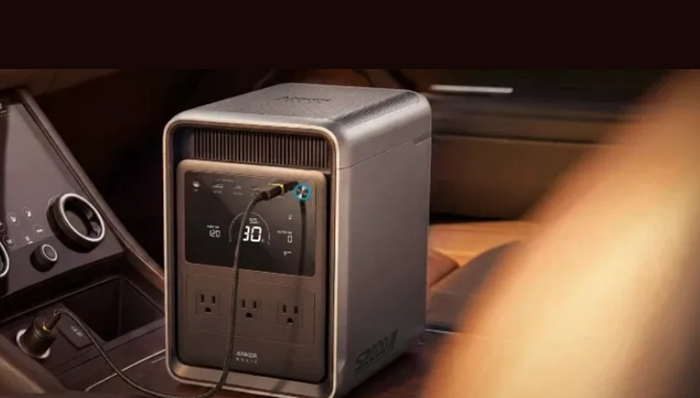
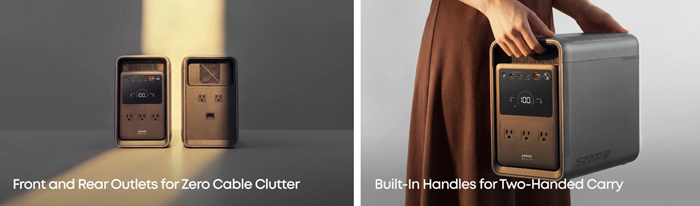
A truck bed holds a unit that no backpack could carry, which is the whole point of driving in. A 2kWh station covers phones, headlamps, a heated vest and a handheld GPS for several mornings without a recharge, and the 12V socket tops it up between spots. The Anker SOLIX S2000 is the shape of unit this suits: 2,010Wh, 1,500W rated with 3,000W peak, and 35.7 lb that never travels further than the tailgate. The dates come first, so check when is pennsylvania deer season your guide before the first cold trip, because the answer decides how much of that capacity the weather will take.
Headlamps, Hand Warmers and Spare Cells
Light is the first thing to fail and the cheapest to fix. Two headlamps beat one torch, because a headlamp leaves both hands for a gate, a rifle or a boot lace, and a spare cell in a pocket costs less than a walk back in the dark. Chemical hand warmers are the other small item that earns its space: they work below freezing, they have no state of charge, and they open in a blind without a sound. A short cable and a power bank cover the phone, which is the device that dies first at minus ten. Charge all of it the night before, not in the morning. A headlamp in the crate and a second in the jacket is the pairing that survives a forgotten bag.
Clothing and Warmth
Layers That Stay in the Truck
The truck is a wardrobe, and treating it that way is the biggest single advantage of driving in. Carry one layer more than you expect to need and leave it on the seat, so it can go on at the gate without opening the pack. A spare pair of gloves, dry socks and a towel live in the cab for the whole season, because the walk back is always wetter than the walk out. Change at the truck rather than at home and the drive stays civilised. Dry socks are the most underrated item in a winter truck, and the towel is the reason they stay useful.
Boots, Gloves and Face Coverage
Boots are the one item that cannot be borrowed from the cab once the walk starts, so they get tested before the season rather than on the morning. Insulated boots a half size large leave room for a wool sock without pinching, and a boot that fits tightly is cold however thick the lining. Gloves need two pairs: a thin pair for the trigger and a heavy pair for the walk, because one pair doing both jobs does neither well. A neck gaiter beats a scarf in wind, and it pulls over the face for the last hundred metres.
Field and Vehicle Kit
Crate, Cooler and Food
Organise the bed by when you touch it rather than by what it is. The first layer at the tailgate holds boots, gloves and the thermos; the second holds the pack and the calls; the third holds what only comes out if something goes wrong. Plastic crates slide and stay dry, and a cargo bar stops them rearranging themselves on a logging road. One crate for dry kit and one for wet, with nothing crossing over. A cooler that stays shut until lunch keeps both the food and the mood, and a thermos of something hot is worth more than another hundred watts of heat.
Tools, Recovery and Safety Kit
The kit that never comes out is the kit that saves the morning. A tow strap, a folding shovel, a jump pack and a headlamp in the door pocket cover the four failures that actually happen on a logging road in December: mud, snow, a flat battery and a walk in the dark. A paper map and a charged phone cover the fifth, which is a gate that is not where the map said it was. None of it weighs much, and all of it stays in the truck for the season. Check the jump pack once a month, because it is the item that fails silently. A folding saw earns its place beside the shovel wherever blowdown crosses the track.
Conclusion
The vehicle carries what the back used to, and three categories carry the rest: power that survives the cold, clothing that can go on at the gate, and a bed kit that stays loaded all season. Pack them the night before, in the order you will touch them, and the morning starts quiet rather than frantic. A base camp is judged by how little it makes you think at four in the morning, which is why a crate, a spare pair of gloves and a charged station beat any single clever purchase. The list is short, and every item on it does one job.