

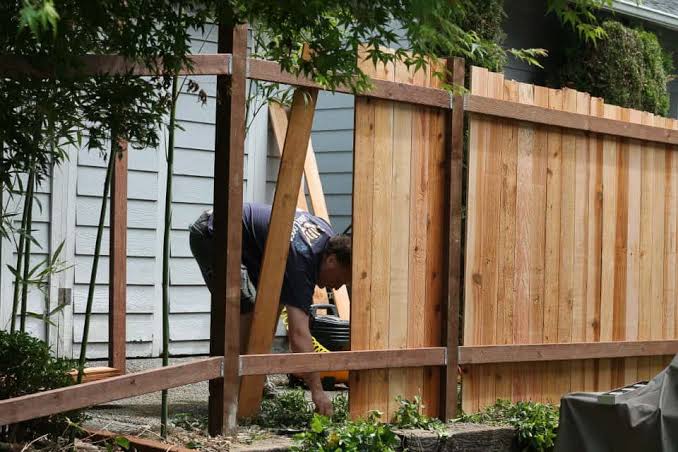
A new fence can improve privacy, safety, curb appeal, and the way a yard functions every day. Before choosing panels or scheduling installation, homeowners should define their goals, verify the layout, and understand the property’s practical limits. Homeowners comparing fence building companies in Fairfax, VA, should begin with a clear plan, because the right material and design depend on more than appearance. Careful planning helps prevent avoidable problems, including a gate that is too narrow, posts placed near buried utilities, blocked drainage, or a fence installed in the wrong location. A little preparation can make the finished project more useful, durable, and easier to maintain.
Start With the Main Job of the Fence
Purpose should guide every major decision. A tall, solid fence may suit a backyard that needs privacy, while an open aluminum fence may be better for preserving a view. Families with dogs or children may prioritize secure latches, appropriate height, and gaps too small for a pet to squeeze through. Pool areas may require self-closing, self-latching gates and barrier features that meet applicable safety requirements. One property can use more than one style. For example, a homeowner may use a privacy fence behind the house while choosing a lower, open design near the front walkway to keep the landscape welcoming and visible.
Compare Popular Fence Materials
Each common material has strengths and tradeoffs. The best choice is the one that fits the climate, soil, maintenance preferences, pets, and intended use of the space.
- Wood: Offers a traditional appearance, flexible designs, and stain or paint options. It needs periodic sealing, staining, or repair.
- Vinyl: Provides a clean, low-maintenance finish and solid privacy options. It can cost more upfront and may be harder to repair invisibly after damage.
- Aluminum or steel: Delivers strength, open views, and a more formal look. These materials work well around pools and landscaped areas, but do not provide much privacy.
- Chain link: Creates a practical, durable enclosure with visibility and often a lower initial cost. Privacy slats can be added, although they change airflow and appearance.
Match Design to Privacy and Visibility
Fence design affects more than looks. Solid panels offer the strongest visual screening, but they also catch more wind. Semi-private designs allow some sunlight and airflow through spaced pickets or slats. Open fencing helps a yard feel larger and keeps sight lines clear. Photorealistic, candid lifestyle photo of a homeowner standing in a suburban backyard, casually reviewing a planned fence line with a measuring tape and simple stakes, with existing landscaping and an older fence visible in the background, natural, imperfect daylight, documentary-style composition, realistic residential setting, no posed smiles or staged studio lighting. Height also requires balance. A higher fence can improve privacy and pet security, yet it may be limited by local regulations, especially in front yards or on corner lots. In Fairfax County, for example, fence location and height are regulated differently in front, side, and rear yards, with additional considerations for corner properties.
Check Property Lines, Easements, and Setbacks
Never rely on an old fence as legal proof of a boundary. Review the deed, plat, and a recent survey, if available. If the line remains uncertain, consult a licensed surveyor before finalizing the layout. Setting the fence a small distance inside the property may simplify maintenance, but it also reduces enclosed yard space. Look for easements affecting utilities, drainage, sidewalks, shared driveways, or access routes. A fence placed within an easement may need to be removed or modified later if access is required. Discussing the plan with adjoining neighbors is also wise, particularly when the fence will closely follow a shared boundary.
Review Local Rules and Plan for Site Conditions
A permit may not always be required, but zoning, setback, HOA, visibility, material, and pool-barrier rules may still apply. Obtain HOA approval and government approvals in writing before ordering materials. Permit exemptions do not automatically override safety or zoning requirements. Every project involving post holes should begin with a utility locate. Homeowners installing a new fence are advised to request markings before digging, even for shallow work. Markings generally identify approximate public utility locations, so private lines for lighting, irrigation, propane, or outdoor equipment may require separate investigation. Also, study the ground itself. Avoid blocking swales or established runoff paths, and keep water moving away from the foundation. Slopes, clay soil, rock, roots, and wet areas can affect post depth, installation methods, labor time, and cost.
Design Gates for Daily Use
Plan gates before the fence line is finalized. A standard walk gate may be enough for foot traffic, but lawn equipment, wheelbarrows, trailers, and future landscaping projects may require a wider opening or double gate. Consider swing direction, slope, snow accumulation, mulch beds, and where a person will stand while opening the gate. Choose sturdy hinges, dependable latches, and hardware suited to the gate’s weight. For pet and pool areas, secure closing and latching are especially important.
Build a Realistic Budget and Choose an Installation Method
The panel price is only part of the total project cost. Include survey work, permits, removal and disposal of an old fence, gates, upgraded hardware, concrete, difficult access, slopes, rocky soil, staining, sealing, and future repairs. Compare detailed written estimates rather than focusing only on the lowest number. DIY installation can be reasonable for a short, simple fence on level ground with a confirmed boundary. Professional installation can reduce risk when the site has steep grades, heavy roots, multiple gates, unclear property lines, pool requirements, retaining walls, or required inspections. Before hiring, confirm who handles layout, permits, utility coordination, cleanup, and warranty work.
Pre-Installation Checklist
- Define the fence’s main purpose.
- Measure the approximate route and mark planned gates.
- Review surveys, plats, easements, and boundaries.
- Check local rules, HOA requirements, setbacks, and height limits.
- Request utility markings before digging.
- Inspect drainage, slopes, trees, and soil conditions.
- Select materials based on privacy, maintenance, strength, and budget.
- Confirm the final layout before materials are ordered.
Conclusion
A successful fence project begins long before the first post hole. When homeowners plan around the property’s purpose, layout, soil conditions, local requirements, safe digging, drainage, gates, material selection, and long-term maintenance, they can avoid many common installation problems and unexpected costs. Taking time to consider how the fence will be used today, and how the property may change in the future, also makes it easier to choose a design that balances privacy, security, accessibility, appearance, and durability. With careful planning and professional installation, the final fence is more likely to fit the yard naturally, perform well in local conditions, and support everyday life for years to come.