

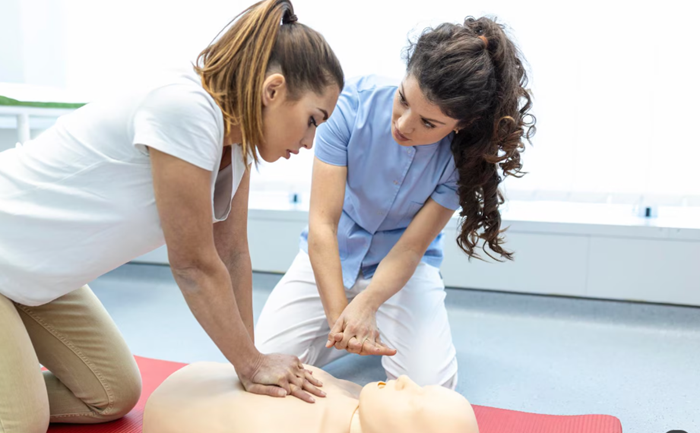
Rarely do medical crises occur at opportune times. A family member may have breathing problems at home, a youngster may get a major injury while playing, or someone may unexpectedly pass out at work. Knowing how to react in these circumstances may have a big impact. Practical knowledge gained from first aid training enables people to identify problems, respond appropriately, and assist sick or wounded folks until professional medical help comes.
Gaining The Self-Assurance To Manage Unexpected Emergencies
Overcoming anxiety and uncertainty during a medical emergency is one of the most difficult tasks. People often pause because they are not sure whether their actions will improve or worsen the situation. Establishing clear protocols for assessing and handling common crises, along with appropriate training, eases these worries.
Participants may practice emergency reactions in an organised learning setting by enrolling in a first aid course Adelaide. People learn more about the procedures involved in helping someone who needs urgent treatment via practical exercises and demonstrations.
In difficult situations, this experience may help individuals stay calm and make wise judgements.
Identifying Warning Signs Before Things Get Worse
Not all medical emergencies start with a clear injury. Early detection is especially crucial since some problems grow gradually. A major medical issue may be indicated by symptoms including abnormal chest pain, abrupt disorientation, breathing difficulties, or changes in consciousness.
Participants in first aid training learn how to recognise warning indicators and when immediate medical attention is required. Early detection of these symptoms may shorten the time it takes to get the right treatment.
For instance, a stroke victim may have abrupt face paralysis, trouble speaking, or arm weakness. A qualified person can identify the urgency and call emergency services right away if they are aware of these indicators.
Acquiring Useful Skills Via Realistic Situations
While reading about emergency protocols is helpful, individuals learn how to properly implement such protocols via hands-on experience. Simulated scenarios that mimic crises seen in homes, offices, and public areas are often included in training courses.
Participants may practice conducting cardiopulmonary resuscitation, helping an unconscious person, reacting to choking, and controlling bleeding.
First aid courses Adelaide often include practical exercises utilising training tools and realistic situations. Through these exercises, students may learn about emergency protocols under the supervision of trained teachers.
Participants learn the value of adhering to a logical process rather than responding impulsively via repeated practice.
Knowing How To Set Priorities In Emergency Situations
In medical crises, many issues may arise at the same time. A wounded individual may be in agony, bleeding, and having trouble speaking. It might be difficult to decide what to fix first if you don’t have the right information.
A methodical approach to emergency evaluation is included in first aid training. In accordance with their level of training, participants learn how to check for immediate threats, evaluate breathing and responsiveness, call emergency services, and provide appropriate aid.
When an emergency arises in a busy setting or in a strange place, this methodical technique is very helpful.
It also emphasises the need for personal safety, making sure that people don’t put themselves or others in needless danger when trying to assist.
Getting Ready For Common Workplace And Home Injuries
Even when the proper safety precautions are taken, there are possible risks in everyday settings. Burns and cuts may occur in kitchens, falls or equipment accidents can occur at work, and sprains or fractures can occur during leisure activities.
People may better learn how to react to these situations by taking first aid courses. Wound care, burn treatment, injury assessment, and safe methods of helping individuals with suspected fractures are often included in training.
Because they facilitate improved decision-making during relatively typical occurrences, these abilities are helpful outside of acute crises.
Enhancing Interaction With Emergency Services
There is more to first aid than just giving physical support. Effective communication is also crucial, particularly when reaching out to emergency personnel.
Training urges people to obey emergency dispatchers’ directions, report the location, and describe the person’s condition. It also emphasises how crucial it is to have calm conversations with the wounded individual and any onlookers in the vicinity.
Emergency responders can better comprehend the issue and are ready to provide the necessary aid when they arrive if they communicate effectively.
Conclusion
Basic awareness is transformed into useful emergency preparation via first aid training. People are more prepared to handle medical emergencies when they gain self-assurance, enhance their ability to recognise symptoms, improve their evaluation abilities, and promote good communication. First aid offers crucial assistance at the critical time before trained healthcare experts take control, even though it cannot take the place of professional medical care.