

A blush lasts all day when it is paired with the right skin prep, applied in thin layers, and set in a way that supports the formula instead of smothering it. Long wear is not just about buying a stronger pigment. It comes from how well the product grips the skin, how balanced your base makeup is, and whether you use techniques that prevent patchiness, slipping, or flat-looking color. Skin type matters, but method matters just as much. If your blush disappears by midday, the fix is usually simple: prep thoughtfully, choose a formula that suits your routine, and layer with intention. A few small changes can help cheek color stay fresh, visible, and natural-looking from morning through the end of the day.
How Skin Prep Helps Blush Stay Put
Match Your Makeup Base to Your Skin Type
Blush lasts longer when your base products support your skin instead of fighting it. If your skin gets oily, start with lightweight hydration and use a primer or base that helps control excess shine, because too much slip can break down cheek color quickly. If your skin is dry, use moisturizing skincare and a flexible base so blush does not cling to rough patches or fade unevenly. Combination skin often benefits from targeted prep, with richer hydration on drier areas and oil control where makeup tends to move. Keep foundation and concealer layers thin, especially on the cheeks. Heavy base makeup can make blush skip, cling, or disappear faster as the day goes on and facial oils rise.
Give Blush a Smooth, Stable Base to Grip
Blush needs a smooth, even surface to hold well, so let skincare absorb before applying makeup. If moisturizer, sunscreen, or foundation stays wet or slippery, blush makeup can streak instead of blending cleanly into place. After your base, lightly set only where needed if your skin tends to get slick, but do not over-powder the cheeks or you may create a dry layer that makes color look patchy. The goal is balance: not greasy, not chalky. Cream and liquid blushes usually grip best over unset or lightly set base makeup, while powder blush often performs well on a softly set cheek. When your base feels stable and velvety, blush has something consistent to adhere to and lasts noticeably longer.
How to Apply Blush So It Lasts All Day
Build Thin Layers Instead of One Heavy Coat
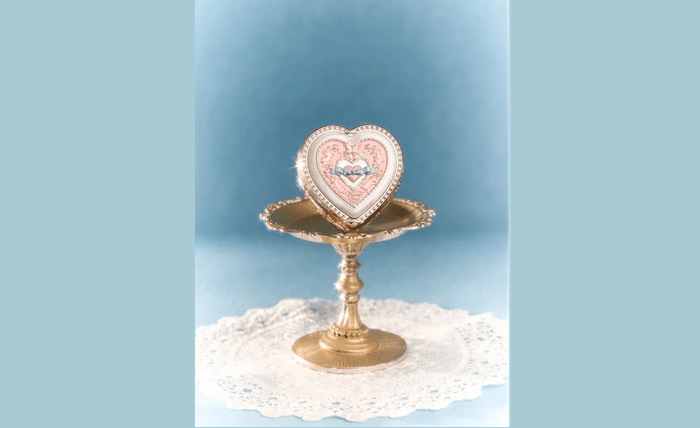
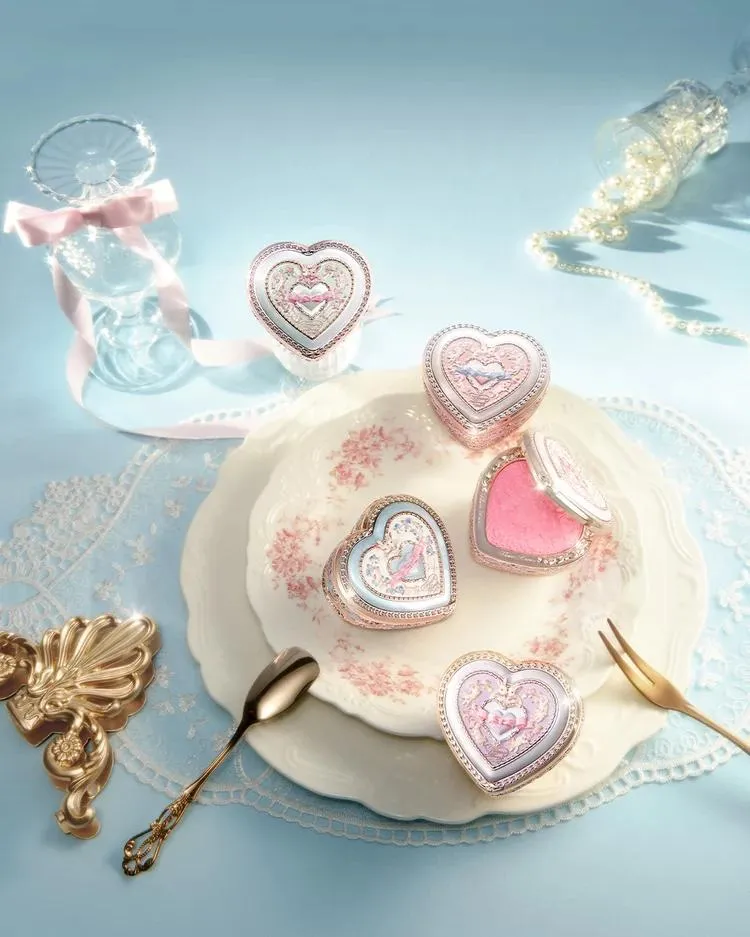
The most reliable way to make blush last is to apply it in thin, controlled layers. A heavy first pass often looks intense at first but fades unevenly, especially once skin warms up. Start with a light tap of color, blend it well, then add more only where you want extra brightness. This creates better adhesion and a more natural finish. The same idea appears in the Flower Knows Bunny Garden Embossed Blush application tips: swirl a puff or brush into the blush, tap gently onto the cheeks, and repeat tapping to build the desired effect. Its pro tip also recommends thin layers because the pigment is vibrant. Gradual buildup gives better wear and keeps the result fresh.
Set Blush Without Making It Look Flat
Setting blush helps lock in color, but the wrong approach can dull the finish and make cheeks look lifeless. Instead of dusting a thick layer of powder over everything, use a light hand and focus on preserving dimension. If you wear cream or liquid blush, a soft veil of translucent powder around the edges can reduce movement while keeping the center fresh. If you wear powder blush, a setting spray can help melt the layers together so the color looks more skin-like. Choose formulas that keep radiance instead of turning matte and dry. Blush lasts better when it stays integrated with the base, not buried under powder. A natural-looking set usually wears longer than an overly perfected one.
Small Changes That Keep Blush From Fading
Choose a Blush Formula for Your Daily Routine
A long-lasting blush is easier to maintain when the formula matches how you wear makeup each day. If you want quick, low-maintenance color, a powder blush can be easy to control and simple to refresh. If you prefer a more seamless, skin-like finish, a cream or serum texture may hold beautifully when applied over a compatible base. Formula details matter too. A blush described as weightless and melt-on-skin with freeze-dried soft-focus technology is designed to feel light while helping color stay smooth for hours. An 8-hour fresh glow finish and ingredients like squalane and vitamin E can also support comfort, so cheeks keep looking fresh rather than dry, dull, or heavy by afternoon.
Keep Your Cheek Color Fresh Without Overdoing It
Blush fades faster when the cheeks get touched, rubbed, or overloaded with product. Small habits make a real difference. Avoid resting your face in your hands, and blot excess oil instead of wiping across the skin. If you need a midday refresh, add only a small amount to the high point of the cheeks rather than rebuilding the entire area. This keeps the color lively without creating a thick, obvious layer. Placement matters too: keeping blush slightly higher on the cheek can help it remain visible longer, especially if foundation tends to wear away near the center of the face. When you treat blush as a finishing detail instead of piling it on, it stays cleaner, fresher, and more convincing.
Conclusion
What makes blush last all day is not one trick but a combination of good prep, smart layering, and gentle setting. A stable makeup base gives color something to hold onto. Thin applications wear better than one heavy sweep. The right formula for your skin type and daily routine helps maintain both color and comfort. From there, small choices such as blotting instead of rubbing and refreshing strategically can keep cheek color looking bright for longer. If you want blush that stays fresh without fading into nothing, focus on technique as much as product. When prep, formula, and application work together, blush looks more natural, lasts longer, and keeps that healthy, just-applied effect well beyond the first few hours of wear throughout your day.