

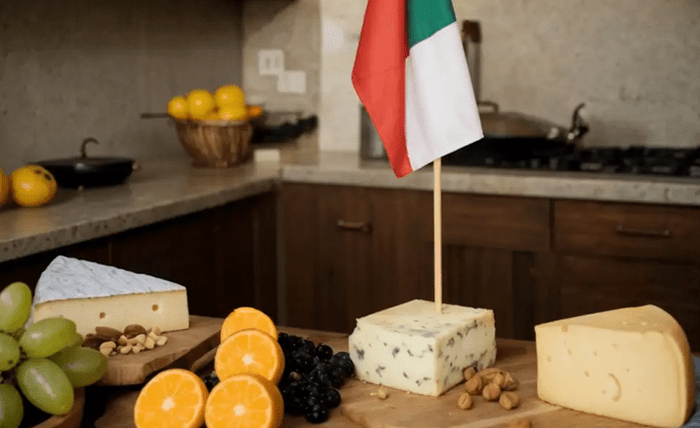
The words alone evoke a sense of quiet luxury, a whisper of indulgence carried on a cool breeze. To recreate this Italian marvel without dairy is a challenge taken up by those who walk the path of plant-based living. Vegan mascarpone, creamy and rich, is more than a substitute; it is a testament to innovation, a testament to the spirit of those who seek to blend tradition with compassion. Buy real Italian vegan mascarpone
The Birth of Vegan Mascarpone
Mascarpone, traditionally a velvety cheese made from cream, finds its roots in the heart of Italy. The challenge for plant-based enthusiasts has been to capture that same essence of richness and subtle sweetness without animal products. Vegan mascarpone is the fruit of this endeavor, an alchemy of nuts, tofu, coconut, and other plant-based wonders, each bringing their unique character to the plate.
Types of Vegan Mascarpone
In the realm of vegan mascarpone, diversity reigns. The types are defined by their foundational ingredients, each offering a different nuance of taste and texture.
- Cashew-Based Mascarpone
Cashew-based mascarpone is celebrated for its silky smooth texture and rich flavor. Cashews, when soaked and blended, transform into a creamy, luxurious base. This type of mascarpone often involves blending soaked cashews with a bit of coconut cream or plant-based milk, a splash of lemon juice for acidity, and a touch of sweetness to balance the flavors.
- Tofu-Based Mascarpone
Tofu, particularly silken tofu, serves as the cornerstone for a lighter, protein-packed mascarpone. Silken tofu’s smooth, custard-like texture makes it an ideal candidate for this creamy cheese. Blended with coconut cream or almond milk, nutritional yeast for a cheesy note, and a bit of sugar for sweetness, tofu-based mascarpone is a versatile and lower-fat option.
- Coconut-Based Mascarpone
Coconut cream provides the rich, fatty base necessary for a decadent mascarpone. This type relies on the natural creaminess of coconut, blended with a bit of lemon juice to cut through the sweetness and a touch of vanilla for depth. The result is a mascarpone with a slightly tropical hint, perfect for desserts and spreads.
- Almond-Based Mascarpone
Almonds, with their subtle flavor and firm texture, offer another avenue for creating vegan mascarpone. Soaked and blended almonds provide a creamy, slightly nutty base. This version often includes almond milk or cream, a bit of sweetener, and a dash of lemon juice for acidity, resulting in a cheese that is rich and smooth. Acquistare il vero mascarpone vegano italiano https://thealternativefood.it/mascarpone-formaggio-vegano-mascreampone – qui.
The Tastes of Vegan Mascarpone
The taste of vegan mascarpone varies with its ingredients, each type striving to emulate the rich, creamy, slightly sweet profile of traditional mascarpone. Cashew-based mascarpone is particularly rich and creamy, with a subtle sweetness that pairs well with both savory and sweet dishes. Tofu-based mascarpone is lighter, with a delicate flavor that readily absorbs additional seasonings. Coconut-based mascarpone offers a hint of tropical flavor, adding a unique twist to traditional recipes. Almond-based mascarpone is smooth and slightly nutty, providing a rich base that complements a variety of dishes.
Despite these differences, all vegan mascarpones share a common goal: to provide a versatile, delicious alternative to dairy mascarpone. Achieving this balance requires a careful combination of fats, proteins, and acids, often enhanced with natural sweeteners and a touch of vanilla or lemon juice for depth of flavor.
The Ingredients of Vegan Mascarpone
Creating vegan mascarpone is an art of simplicity and precision. The primary ingredients vary, but the process typically involves a combination of nuts, tofu, coconut, and seasonings.
- Cashews
Cashews are the foundation of cashew-based mascarpone. When soaked and blended, they create a creamy, smooth base. Coconut cream or plant-based milk adds richness, while lemon juice provides acidity. A bit of sweetener, such as maple syrup or agave, balances the flavors, creating a cheese that is both decadent and versatile.
- Tofu
Silken tofu is the cornerstone of tofu-based mascarpone. Its smooth texture and neutral taste make it an ideal candidate for blending into a creamy cheese. Coconut cream or almond milk adds richness, while nutritional yeast provides a cheesy note. A bit of sugar or agave syrup adds sweetness, and lemon juice enhances the overall flavor.
- Coconut
Coconut cream, with its high fat content, is the key ingredient in coconut-based mascarpone. Blended with lemon juice to cut through the sweetness and a touch of vanilla for depth, it creates a rich, creamy cheese with a hint of tropical flavor. This type of mascarpone is particularly well-suited for desserts.
- Almonds
Almonds, when soaked and blended, provide a smooth, slightly nutty base for almond-based mascarpone. Almond milk or cream adds richness, while a bit of sweetener and lemon juice balance the flavors. The result is a cheese that is rich and smooth, with a subtle nutty undertone.
Crafting the Perfect Vegan Mascarpone
The process of making vegan mascarpone is both an art and a science. It requires a careful balance of ingredients and techniques to achieve the desired texture and flavor.
- Soaking and Blending
For nut-based mascarpones, the process often begins with soaking the nuts to soften them. They are then blended with water or plant-based milk until smooth. For tofu-based mascarpone, the silken tofu is simply blended with the other ingredients until smooth and creamy.
- Seasoning
Seasoning is key to creating a flavorful vegan mascarpone. Natural sweeteners such as maple syrup or agave add a touch of sweetness, while lemon juice provides acidity. A bit of vanilla enhances the overall flavor, and nutritional yeast can be added for a cheesy note.
- Adjusting Consistency
The consistency of vegan mascarpone can be adjusted by adding more or less liquid. For a firmer mascarpone, less liquid is used, while more liquid creates a creamier, spreadable cheese. The mixture is often blended until smooth, then refrigerated to allow the flavors to meld and the texture to set.
The Versatility of Vegan Mascarpone
Vegan mascarpone’s versatility is one of its greatest strengths. It can be used in a wide range of dishes, from savory to sweet, adding a creamy, satisfying element.
- Savory Dishes
Vegan mascarpone shines in savory dishes like lasagna, risotto, and stuffed pasta. Its creamy texture and mild flavor make it a perfect filling or topping for pasta dishes. It can also be spread on toast, used in sandwiches, or stirred into sauces for added richness.
- Sweet Dishes
In sweet dishes, vegan mascarpone can be used to make creamy desserts like tiramisu, cheesecakes, and mascarpone-filled pastries. Its mild flavor pairs well with sweeteners like maple syrup or agave, and it can be flavored with vanilla, lemon zest, or cinnamon for added depth.
- Appetizers and Snacks
Vegan mascarpone is also a versatile ingredient for appetizers and snacks. It can be used as a dip for fruits, a spread for crackers, or a filling for stuffed dates or figs. Its creamy texture and rich flavor make it a crowd-pleaser at any gathering.
Challenges and Innovations
The journey to perfect vegan mascarpone has not been without its challenges. Early versions often lacked the creaminess and flavor of traditional mascarpone, but innovation and experimentation have led to significant improvements.
The use of fermentation to develop flavor, the incorporation of new ingredients like aquafaba (the liquid from cooked chickpeas) for better texture, and the exploration of different plant-based proteins and fats have all contributed to the evolution of vegan mascarpone. As the demand for plant-based products grows, so does the potential for further innovation and refinement.
The Future of Vegan Mascarpone
The future of vegan mascarpone looks bright. As more people embrace plant-based diets, the demand for high-quality vegan cheeses continues to rise. This has spurred ongoing research and development, leading to new and improved products.
Researchers and chefs are constantly exploring new ingredients and techniques to enhance the flavor, texture, and nutritional profile of vegan mascarpone. From incorporating probiotics for gut health to developing nut-free options for those with allergies, the evolution of vegan mascarpone is a testament to the creativity and dedication of its makers.
Vegan mascarpone, in all its forms, is a triumph of creativity and perseverance. It stands as a testament to the power of plant-based foods to delight the senses and nourish the body. From cashew-based to tofu, coconut, and almond varieties, each type brings its own unique character to the table, offering a rich tapestry of flavors and textures for all to enjoy.
As we savor the diverse offerings of vegan mascarpone, we celebrate not only the culinary craftsmanship that brings it to life but also the broader movement towards a more sustainable and compassionate world. In every bite, we taste the future—a future where delicious, dairy-free cheese is not just a substitute, but a standard.