

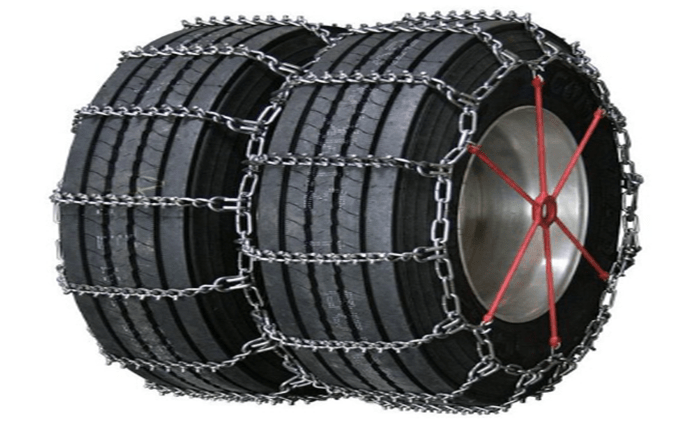
In the world of off-roading and utility vehicle (UTV) adventures, tire chains are a common accessory used to enhance traction in challenging terrains. UTVs are designed for rugged environments, often traversing through snow, mud, or rocky surfaces. While tire chains can significantly improve grip and control, there’s a lingering concern: do UTV tire chains cause damage to roads and trails?
Let’s dive into this topic to understand the impact of UTV tire chains on road surfaces, environmental considerations, and best practices for responsible off-roading.
Understanding UTV Tire Chains
UTV tire chains are metal chains that wrap around the tires to provide additional traction. They consist of interconnected links that grip onto the ground, reducing slippage on icy, snowy, or muddy surfaces. These chains are especially popular among UTV enthusiasts who tackle challenging off-road conditions where standard tires struggle to maintain grip.
The effectiveness of tire chains lies in their ability to dig into soft or slippery terrain, preventing wheels from spinning and improving overall vehicle control. However, this enhanced traction can have consequences, particularly when used on certain road surfaces.
Potential Road Damage
The concern regarding UTV tire chains revolves around the impact these chains can have on roads and trails. The metal links of tire chains can exert significant pressure on the road surface, especially when navigating over softer ground like dirt or gravel. Over time, this pressure can cause abrasion and erosion, leading to road degradation and potential environmental damage.
Road damage from UTV tire chains is more pronounced on surfaces that are not designed to withstand heavy mechanical stress. Trails, forest paths, and unpaved roads are particularly vulnerable. The repetitive grinding motion of tire chains against these surfaces can accelerate wear and tear, resulting in ruts, grooves, and loose debris.
Types of Roads Affected
The extent of road damage caused by UTV tire chains largely depends on the type of road surface. Here’s a breakdown of how different surfaces are impacted:
- Pavement Roads: Traditional tire chains should not be used on paved roads. The metal links can damage the asphalt or concrete, leading to scratches and gouges and potentially compromising road integrity.
- Gravel and Dirt Roads: These surfaces are more susceptible to damage from tire chains. The constant friction between the metal chains and loose particles can displace gravel and create uneven surfaces.
- Snow and Ice: Tire chains are highly effective in snowy conditions and generally cause minimal damage to the snow-covered surface. However, once the snow melts, the chains can impact the underlying road.
Environmental Considerations
Beyond road damage, the environmental impact of using UTV tire chains is a critical concern. Erosion caused by tire chains can contribute to sediment runoff into nearby water bodies, affecting aquatic ecosystems. Additionally, the disruption of soil structure can lead to habitat degradation and increased vulnerability to erosion.
UTV enthusiasts must be mindful of their surroundings and minimize ecological impact when using tire chains. Responsible off-roading practices include staying on designated trails, avoiding sensitive habitats, and using alternative traction devices when appropriate.
Best Practices for Off-Roading with Tire Chains
To mitigate the potential damage caused by UTV tire chains, consider the following best practices:
- Use Tire Chains Selectively: Reserve tire chains for situations where additional traction is necessary, such as deep snow or muddy conditions.
- Choose Quality Chains: Invest in high-quality tire chains designed specifically for UTVs. Quality chains are less likely to cause excessive wear on road surfaces.
- Inspect and Maintain Regularly: Check tire chains before each use to ensure they are in good condition and properly fitted. Loose or damaged chains can exacerbate road damage.
- Follow Manufacturer Guidelines: Adhere to manufacturer recommendations regarding tire chain usage. Avoid using tire chains on paved roads unless explicitly approved.
- Stay Informed: Be aware of local regulations and environmental guidelines related to off-roading and tire chain usage. Respect designated trails and protected areas.
Minimizing Road Impact
In addition to the best practices mentioned, there are specific steps UTV enthusiasts can take to minimize road impact when using tire chains:
- Reduce Speed: Driving at lower speeds reduces the friction between tire chains and road surfaces, thus lowering the likelihood of significant damage.
- Avoid Skidding and Spinning: Minimize abrupt acceleration and braking to prevent unnecessary wear on road surfaces.
- Use Alternatives: Consider alternative traction devices such as tire studs or advanced tread patterns that provide grip without the same level of abrasion.
Conclusion
In conclusion, while UTV tire chains are invaluable for improving traction in challenging off-road conditions, they can potentially cause damage to roads and trails if used improperly or excessively. UTV enthusiasts must balance the benefits of tire chains with responsible environmental stewardship.
By adopting best practices, staying informed about local regulations, and minimizing unnecessary impact on road surfaces, off-roaders can continue to enjoy their adventures while preserving the integrity of natural habitats. Responsible off-roading ensures that future generations can also experience the thrill of exploring the great outdoors.
UTV tire chains can cause road damage under certain conditions, but with proper usage and environmental awareness, enthusiasts can minimize their impact while maximizing off-road experiences. Choose wisely, respect the environment, and keep exploring responsibly!