


Yes, one eyeshadow palette can absolutely work for both day and night looks when it includes balanced shade depth, wearable tones, and more than one finish. A practical palette lets you keep daytime makeup soft and polished, then build intensity for evening without removing everything and starting over. The key is flexibility: light shades for brightening, mid-tones for shaping, deeper colors for contrast, and shimmer for dimension. Placement matters just as much as color choice. A soft wash over the lid works for daytime, while added depth at the outer corner and a touch of shine can make the same base look evening-ready. With smart layering, one palette can cover both moods easily.
What Makes an Eyeshadow Palette Work Day to Night?
The Right Mix of Light, Mid-Tone, and Deep Shades
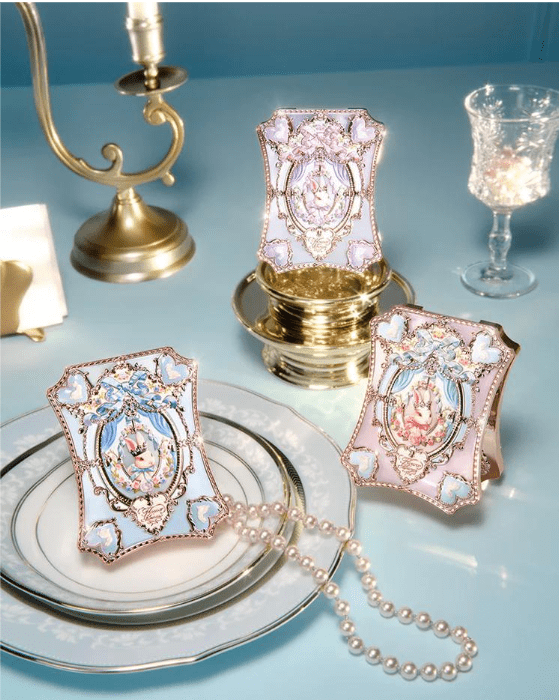
A day-to-night eye makeup palette needs a clear range of depth. Light shades help brighten the lid, inner corner, or brow bone for a fresh daytime effect. Mid-tone shades create structure in the crease and add natural-looking contour without making the eyes look overdone. Deep shades bring contrast, letting you define the lash line or outer corner for a stronger evening finish. The Flower Knows Bunny Garden 6-Color Makeup Palette in 01 White Bunny—Creamy Apricot fits this approach well, with Milky Almond and Butterscotch for softness, Cinnamon for gentle shaping, and Espresso Coffee for depth. That range makes it easy to create a subtle office look first, then build a more dramatic style later using the same compact palette.
Why Matte, Shimmer, and Metallic Finishes Matter
Finish is what turns a simple color story into a versatile one. Matte shadows are essential for day looks because they shape the eye in a soft, natural way and usually blend more quietly into the skin. Shimmer adds light and movement, which helps eyes appear brighter and more awake during the day when used lightly. For night, shimmer or metallic textures become even more useful because they catch light, add dimension, and make the makeup feel more intentional. A palette with both matte and luminous shades gives you options without forcing the look too far in one direction. Even a neutral palette becomes more adaptable when you can switch from a smooth matte lid to a reflective accent with only a few extra taps.
How to Create a Soft Day Look With One Palette
Build a Natural Base With Light and Neutral Shades
Start your daytime look by sweeping the lightest shade across the lid to create an even base. This brightens the eye area and helps later shades blend more smoothly. Next, use a soft neutral tone over the mobile lid or slightly into the crease for gentle definition. Keep the color diffused rather than concentrated, since daytime makeup usually looks best when edges appear soft and seamless. Apricot, beige, cream, and light brown tones work especially well because they add warmth without looking heavy. Use a fluffy brush for a sheer effect, or your fingertip if you want a little more pigment. The goal is not full drama but a clean, polished look that enhances the eyes while still feeling effortless and appropriate for everyday wear.
Add Soft Definition Without Making Eyes Look Heavy
Once the base is in place, add subtle depth where it naturally flatters the eye shape. Focus a mid-tone shade in the crease and outer corner, then blend it well so the transition stays smooth. If you want more definition, run a small amount of the same shade close to the upper lash line instead of using a very dark color. This frames the eyes without making them appear harsh. For extra brightness, tap a soft shimmer on the center of the lid or inner corner, but keep it controlled. Avoid packing on too much product at once. Building slowly gives you more control and keeps the final result light. A daytime eye look should look refined, awake, and softly sculpted rather than smoky or overly intense.
How to Turn Your Day Look Into a Night Look
Deepen, Layer, and Add Shimmer for Evening Glam
To shift your day look into a night look, keep the base and build depth strategically. Add a deeper shade to the outer corner and blend it inward to create more contrast and shape. Then press that same shade closer to the lash line for stronger definition. If the palette includes a rich brown or similar tone, use it to softly smoke the outer edge without making the look feel flat. Next, layer shimmer or sparkle onto the lid, focusing on the center for a brighter, fuller effect. This catches light and instantly makes the eyes look more dressed up. The contrast between matte structure and reflective shine is what creates evening glam. You do not need more colors, just more intensity and a more deliberate placement.
Refresh Your Eyes Without Starting Makeup Over
You do not need to remove your daytime makeup to make it evening-ready. First, check for creasing or fading and smooth the lid gently with a fingertip or clean brush. If needed, add a tiny amount of concealer only where shadows have broken up, rather than redoing the whole eye. Reapply your mid-tone crease shade to restore shape, then deepen the outer corner with a darker color. A pressed shimmer on top of the existing lid shade can revive the look quickly and add a fresh finish. You can also intensify the lower lash line slightly to balance the added depth above. Keep blending between each step so the layers look intentional. This method saves time and lets one palette carry your makeup from work to dinner.
Conclusion
One eyeshadow palette can work for both day and night looks when it offers a useful mix of light, mid-tone, and deep shades along with matte and shimmer finishes. That combination gives you control over intensity, which is the real difference between a soft daytime eye and a more dramatic evening version. For day, keep the colors light, blended, and understated. For night, deepen key areas, reinforce the lash line, and add shimmer where you want more dimension. A well-designed palette makes this transition simple instead of complicated. With thoughtful shade placement and a few quick touch-ups, you can create polished makeup for different settings without carrying multiple products. One versatile palette is not just enough—it is often the smartest and most efficient option.