

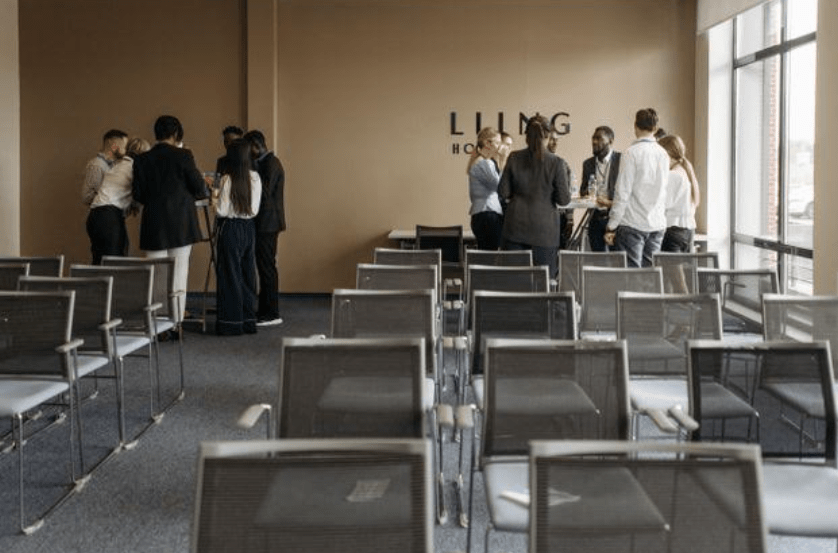
Trade shows bring together professionals, businesses, industry experts, and decision-makers in one place, making them valuable opportunities for networking. Whether attending a large convention or a niche industry event, building meaningful connections can lead to new partnerships, career opportunities, industry insights, and long-term professional relationships. However, successful networking requires more than simply collecting business cards or introducing yourself to as many people as possible.
Approaching a trade show with a plan can help you make the most of your time and leave a positive impression on the people you meet. From preparing before the event to following up afterward, several strategies can improve your networking experience and help you create genuine connections. Here are five important tips that can contribute to successful trade show networking.
Prepare Before the Event
One of the most effective networking strategies begins long before the trade show doors open. Preparation allows you to arrive with clear goals and a better understanding of who you want to meet.
Start by reviewing the list of exhibitors, speakers, sponsors, and attendees if that information is available. Identify companies, organizations, or individuals that align with your professional interests. Researching these contacts beforehand can help you develop thoughtful conversation starters and relevant questions.
It is also beneficial to update your professional materials before attending. Make sure your business cards, online profiles, and contact information are current and consistent. If someone looks you up after meeting you, they should quickly understand your background and expertise.
Setting realistic goals can further improve your experience. Rather than trying to meet everyone, focus on establishing meaningful conversations with a manageable number of people. Quality often matters more than quantity when building professional relationships.
Create a Strong First Impression
First impressions are often formed within moments, making it important to present yourself professionally and authentically. Trade shows can be busy and fast-paced, so having a concise introduction prepared can help you communicate confidently.
When meeting someone new, introduce yourself clearly and explain your role or area of expertise in a straightforward manner. Avoid turning the conversation into a sales pitch. Instead, focus on creating a genuine exchange of information and mutual interests.
Body language also plays an important role in networking success. Maintaining eye contact, offering a friendly smile, and demonstrating active engagement can make conversations more comfortable and productive. Showing curiosity about the other person’s work often leaves a more positive impression than focusing solely on your own accomplishments.
Trade show booths can contribute to those first impressions as well. Exhibitors often use visual elements to encourage engagement, including banners, product demonstrations, and LED Backlit trade show displays that help visitors easily identify brands and areas of interest. These visual tools can naturally create opportunities for conversation and interaction between attendees and exhibitors.
Focus on Meaningful Conversations
Successful networking is not about collecting the largest number of contacts. Instead, it involves building relationships that have the potential to provide long-term professional value.
One effective approach is to ask open-ended questions. Questions about industry trends, professional challenges, recent projects, or event highlights can encourage more engaging discussions. People generally appreciate opportunities to share their experiences and insights.
Active listening is equally important. Pay attention to what others are saying rather than concentrating on what you plan to say next. Listening carefully allows you to respond thoughtfully and identify areas of mutual interest.
When appropriate, share your own experiences and perspectives without dominating the conversation. Networking should feel like a balanced exchange. By focusing on learning from others while contributing meaningful insights, you can establish stronger professional connections.
Meaningful conversations are often more memorable than brief introductions. Attendees are far more likely to remember someone who engaged them in an interesting discussion than someone who simply handed them a business card and moved on.
Take Advantage of Educational Sessions and Social Events
While the exhibit floor is a central feature of most trade shows, valuable networking opportunities often occur in other settings as well. Educational sessions, workshops, panel discussions, and networking receptions can provide more relaxed environments for meeting industry professionals.
Attending presentations relevant to your field offers several benefits. Not only can you gain knowledge about current industry developments, but you can also connect with people who share similar professional interests. Discussing a speaker’s presentation or a topic covered during a session can provide a natural and comfortable conversation starter.
Social events associated with trade shows can also foster more informal interactions. Coffee breaks, luncheons, evening receptions, and networking mixers often create settings where attendees feel more approachable and willing to engage in conversation.
These events may allow for deeper discussions than those that occur on a busy exhibition floor. Because attendees are often gathered around shared interests, the connections formed during educational or social sessions can become particularly valuable over time.
Follow Up After the Trade Show
Networking does not end when the event concludes. In many cases, the most important part of the process happens afterward. Following up with contacts helps maintain momentum and demonstrates professionalism.
Shortly after the event, review the contacts you made and organize any notes about your conversations. Reaching out within a few days can help ensure that your interaction remains fresh in the other person’s memory.
Personalized follow-up messages are generally more effective than generic communications. Mention a specific topic you discussed, a shared interest, or an idea exchanged during your conversation. This approach reinforces the connection and shows that you valued the interaction.
Professional networking platforms can also help you stay connected. Sending a thoughtful connection request and engaging with relevant content may support ongoing communication and relationship building.
Not every connection will lead to immediate opportunities, and that is perfectly normal. Networking is often a long-term investment in professional relationships. Consistent, respectful communication can help create a strong network that benefits both parties over time.
Conclusion
Trade show networking is most effective when approached with intention, professionalism, and a focus on genuine relationship building. Preparing ahead of time, creating positive first impressions, engaging in meaningful conversations, participating in educational and social activities, and following up after the event can all contribute to better networking outcomes.
Rather than viewing networking as a numbers game, it is often more productive to focus on developing authentic connections based on shared interests and mutual value. By taking a thoughtful approach, trade show attendees can make the most of each event while building relationships that continue long after the exhibit halls have closed.