

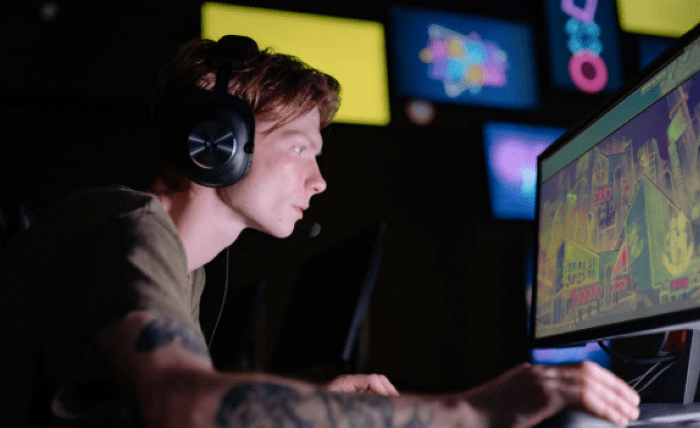
Have you ever logged into a game and felt like the screen stopped being a flat display and started feeling like a place you actually share with other people?
That shift explains a lot about why online gaming matters to so many players. People are not only pressing buttons and chasing points. They are meeting friends, reading social cues, building routines, and reacting together in spaces that keep moving even after one match ends.
Online gaming turns screens into shared spaces by combining live interaction, persistent activity, and a sense of participation that feels immediate. The result is a form of digital social life where people do things together instead of just consuming the same content side by side.
Why Shared Play Feels Different
Shared play changes the meaning of a screen from something you watch into something you enter with others.
Real-Time Response Creates Social Energy
A video, show, or single-player title can hold attention, but online play adds a live human layer. Every movement, pause, mistake, and smart decision has social weight because another person reacts to it right away. That instant feedback gives online gaming a feeling closer to a conversation than a broadcast.
Live response also creates unpredictability. Human opponents and teammates do not follow scripts, so every session feels shaped by personalities rather than code alone. Players remember the funny rescue, the last-second save, or the team plan that somehow worked because those moments came from shared action, not passive viewing.
Participation Matters More Than Observation
People often feel more connected when they are contributing to a moment instead of watching from the outside. Online games ask players to coordinate, adapt, and communicate, which turns attention into participation. That active role makes the screen feel less like a barrier and more like common ground.
Even text chat, pings, and simple gestures inside a match can create a social rhythm. A player does not need a long conversation to feel included. Short, useful signals can be enough to build trust, timing, and a sense that several minds are working inside the same space.
How Games Create A Sense Of Place
Shared spaces start to feel real when people can recognize them, return to them, and act inside them together.
Digital Spaces Gain Meaning Through Repetition
A shared place becomes meaningful when people come back to it often. Online games do this well because maps, hubs, and match types repeat across days or months. Familiarity gives structure, and structure helps people feel located rather than disconnected.
That is part of why communities can form around specific servers, modes, or routines discussed in spaces linked through names like KOBAM88. The important point is not the label itself but the social habit behind it: people return, recognize one another, and continue an ongoing pattern of interaction.
Persistence Makes Spaces Feel Lived In
Many online games keep changing even when one player logs off. Rankings move, seasonal events rotate, and other players continue shaping the environment. That persistence gives the screen a lived-in feeling because it suggests that the space exists beyond a single person’s session.
Persistence also supports memory. Players remember where they met someone, where a team learned a strategy, or where a group celebrated a win. The screen starts holding shared history, and shared history is one of the clearest signs that a place means something to the people in it.
Communication Turns Mechanics Into Relationships
Rules alone do not create shared spaces. Communication is what turns activity into connection.
Coordination Builds Trust Fast
Online games often require players to depend on each other under pressure. A timed objective, defensive role, or support action can make one person’s success depend directly on another person’s choices. That dependency creates trust quickly because helpful behavior has immediate, visible results.
Trust in gaming is often practical before it becomes personal. Someone keeps watch, shares resources, or revives a teammate, and a relationship starts from action rather than talk. That kind of trust can feel surprisingly strong because it comes from repeated proof instead of polite small talk.
Voice And Text Add Personality
Communication tools let people project humor, calm, leadership, and empathy through short exchanges. A few spoken words during a tense match can reveal more about a person than a long profile ever could. Tone, timing, and choice of words all help the screen feel socially alive.
Text tools matter too, especially for players who prefer quieter interaction. Quick messages, symbols, and emotes can communicate encouragement or strategy without slowing the pace. These small forms of expression help people feel seen, which is one reason shared play can feel more personal than many other screen-based activities.
Why Online Gaming Supports Real Social Routines
Shared spaces become stronger when people return to them on a schedule and build habits around them.
Regular Sessions Create Familiarity
Weekly match nights, daily check-ins, and recurring team sessions turn online games into social appointments. Familiarity grows because people start expecting each other, not just the activity. The screen becomes a meeting place with time attached to it, and that makes the connection feel more grounded.
These routines can fit around school, work, or distance in ways that many offline meetups cannot. A short session can still maintain a friendship because what matters is steady contact. Regular shared time often matters more than long but rare conversations.
Games Give People A Clear Reason To Gather
Some social settings feel awkward because people need to invent a topic or purpose. Online games solve that by giving everyone a common task from the start. The objective keeps things moving, which lowers pressure and helps conversation happen naturally around shared action.
This structure is a big reason online gaming works for mixed groups. Close friends, siblings, classmates, and new acquaintances can all join the same activity without needing the same personality. The game supplies focus, and that focus makes group interaction easier to sustain.
Shared Challenges Make Digital Spaces Memorable
People bond quickly when they face problems together and solve them in real time.
Difficulty Creates Group Identity
A team that learns a hard map, beats a tough opponent, or survives a chaotic round starts to build a shared identity. Success feels collective because nobody could have done it alone in quite the same way. That feeling turns a temporary session into a memory people refer back to later.
Communities often keep these memories alive through clips, chat logs, and discussion spaces tied to names such as KOBAM88 TOGEL. What matters socially is how those references help people recall moments, retell stories, and strengthen a sense of belonging around shared experiences.
Even Failure Can Strengthen Connection
Not every memorable session ends with a win. Funny mistakes, narrow losses, and plans that fall apart can become inside jokes that groups repeat for months. Losing together can still reinforce connection because the value came from the shared event, not only the result.
That is one reason online gaming can feel richer than people expect from the outside. The meaning is often carried by interaction, memory, and reaction. A screen becomes shared space when people attach stories to it, and games generate those stories at a fast pace.
Why Screens Feel More Social Than Ever
Online gaming stands out because it combines place, action, memory, and communication in one continuous experience.
Games Blend Space With Activity
Many digital platforms let people talk, but games add tasks, timing, and consequences. People are not only chatting in the same place. They are doing something together that requires attention and response. That combination makes the interaction feel fuller and more vivid.
A shared screen becomes meaningful when it supports cooperation, recognition, and return visits. Online gaming does all three at once. Players come back to familiar spaces, recognize recurring people, and work through shared challenges that create new memories every session.
The Screen Stops Feeling Like A Barrier
The strongest online gaming spaces do not erase distance, but they make distance matter less. Friends in different cities can still react together, coordinate in the same moment, and build routines that feel stable over time. The screen still exists, yet it functions less like a wall and more like a meeting point.
That is why online gaming keeps turning screens into shared worlds. It gives people a place to act together, a reason to return, and a steady stream of moments that only make sense because other people were there too.