

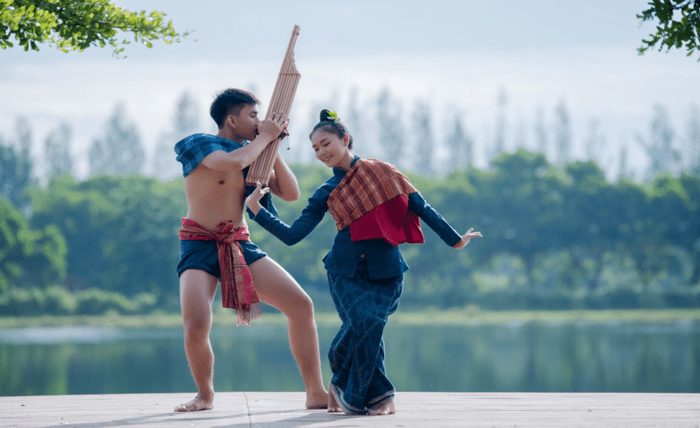
Choosing to live and train inside a traditional martial arts sanctuary in Southeast Asia is an extraordinary journey that goes far beyond a standard fitness holiday. A dedicated Muay Thai camp in Thailand operates as a living museum, preserving centuries of rich heritage, spiritual laws, and deep ancestral hierarchies. For an international traveler, immersion in this environment provides a front row seat to a beautiful, highly disciplined way of life. Muay Thai is a national martial arts in Thailand. By stepping onto the canvas with an open mind, you move past superficial workout trends and connect directly with the ancient soul of the land. Here are eight fascinating cultural traditions you will deeply experience during your training residency.
- Executing the Sacred Wai Khru Ritual Homage
Before any competitive action takes place on the canvas, practitioners perform the Wai Khru, which translates directly to greeting the teacher. This ritualistic, moving meditation allows a student to express profound gratitude to their coaches, parents, and ancestors. Kneeling in the center of the ring, you bow your head low to the floor three times in slow, deliberate succession. Data from cultural heritage societies indicates that dedicated martial arts tourists view this specific ritual as the ultimate mental grounding tool, transforming raw physical aggression into a disciplined act of structural reverence and emotional focus.
- Witnessing the Personalized Poetry of the Ram Muay Dance
Immediately following the initial bows, the ritual flows into the Ram Muay, a highly stylized boxing dance. Each individual training camp possesses its own signature movements passed down through generations of ring masters. As you circle the ring in a counter clockwise direction, pausing to seal each of the four corners with a brief prayer, your movements signal your exact lineage and regional origins to knowledgeable spectators. Perfecting this graceful choreography requires immense balance, core stability, and deep breathing, functioning simultaneously as a functional warm up and a beautiful display of artistic pride.
- Wearing the Blessed Mongkhon Headband for Spiritual Protection
The most iconic piece of traditional attire you will encounter is the Mongkhon, a sacred woven headband made from rope, thread, and blessed silk cloth. Historically, ancient Thai warriors wore these bands into active warfare for protection and good fortune. In a traditional gym setting, the Mongkhon is treated with absolute reverence and is hung high above the floor, as letting it touch the ground is considered a sign of immense bad luck. Your trainer will place this blessed heirloom on your head before you step through the ropes, chanting a silent prayer of protection.
- Binding the Sentimental Pra Jiad Armbands for Strength
In addition to the sacred headdress, you will wear fabric armbands known traditionally as Pra Jiad on one or both arms. The beautiful origin of this custom traces back to ancient times when mothers would tear strips of cloth from their traditional dresses to give to their sons heading into battle. This physical token carried a mother’s profound blessing for health, safety, and ultimate victory. Unlike the headband, the Pra Jiad armbands remain securely on your arms throughout the entire duration of your training or sparring session, serving as a constant psychological reminder of your resilience.
- Training to the Hypnotic Rhythm of Live Sarama Music
The intense physical output of an authentic martial arts training camp is driven by the mesmerizing sounds of Sarama, the traditional music of Muay Thai. This unique soundtrack is played live using four distinct heritage instruments, including the Javanese clarinet, heavy drums, and small cymbals. The tempo of the music is fluid, rising and falling in perfect harmony with the intensity of the action on the mats. This rhythmic auditory stimulation helps synchronize your breathing pattern, pushes your cardiovascular threshold, and trains your central nervous system to remain completely relaxed amidst high output.
- Climbing Over or Under the Sacred Ring Ropes
Entering the Muay Thai boxing ring is governed by a strict physical protocol rooted in the local spiritual hierarchy of the human anatomy. Because the head is considered the most spiritually pure part of the body while the feet are considered the lowest, you must keep your head above your feet at all times. To honor this tradition, male practitioners always enter the ring by stepping completely over the top rope. Conversely, traditional camp lineages dictate that female practitioners enter by crawling gracefully underneath the bottom rope, ensuring complete compliance with historical monastic codes. Suwit Muay Thai is a real traditional Muay Thai training camp for training, you can fight on the ring in a month.
- Learning the Ancient Bedrock of the Mae Mai Techniques
Your physical curriculum at a traditional camp will introduce you to the Mae Mai, the fifteen foundational major techniques of the entire Muay Thai system. These historic movements form the absolute structural blueprint of the sport, teaching you how to utilize your fists, elbows, knees, and shins in perfect mathematical harmony. Mastering the Mae Mai teaches you the deep biomechanical secrets of force generation, showing you how to drive power from the floor up through your hips to boost your rotational core power by up to 40 percent while maintaining defense.
- Making Daily Offerings at the On Site Spirit House
Every authentic training camp features a beautifully adorned Spirit House, known locally as San Phra Phum, situated prominently on the gym grounds. Before beginning their demanding dawn roadwork or entering an intense training cycle, trainers and local fighters will pause at this shrine to light incense, offer fresh flowers, and present small food items. This daily ritual asks the guardian spirits of the land for safety, health, and clear energy. Participating in or quietly observing this grounding morning tradition connects you deeply with the spiritual fabric of Thai daily life.