

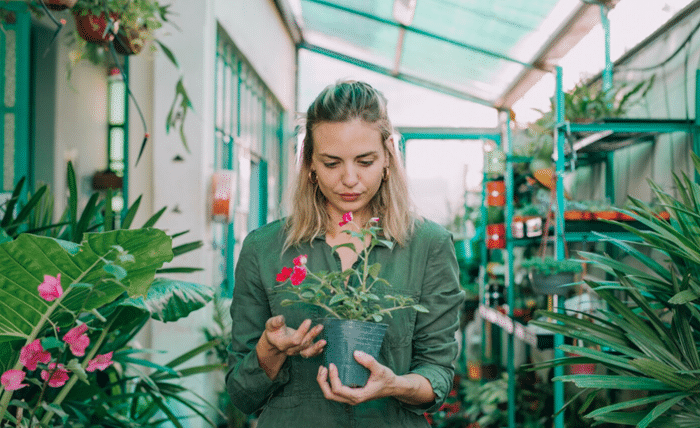
Selecting the right garden pots can significantly elevate the aesthetic and functionality of any outdoor space. Garden pots not only provide a practical solution for housing plants but also serve as decorative elements that can complement or define an area’s style. From modern minimalistic designs to traditional terracotta pieces, the variety available ensures there is something for every garden and personal taste.
One of the key considerations when choosing garden pots is the material they are made from, as this affects durability, appearance, and suitability for different plants and environments. Common materials include ceramic, terracotta, plastic, metal, and concrete, each offering unique benefits and aesthetic qualities.
Material Options and Their Characteristics
Ceramic Pots
Ceramic pots are highly popular due to their classic appearance and ability to retain moisture well, making them ideal for moisture-loving plants. These pots are often glazed, which provides an array of colours and finishes, enhancing their decorative appeal while protecting the pot from weathering.
Terracotta Pots
Terracotta pots offer a traditional look and excellent breathability for plant roots. They are porous, allowing for better air circulation and moisture evaporation, which helps prevent overwatering. However, they are more fragile compared to other materials and may crack in freezing conditions.
Plastic Pots
Plastic garden pots are lightweight and budget-friendly options that come in various shapes and sizes. They retain moisture well and are durable under most weather conditions. Additionally, plastic pots are often UV-resistant, preventing them from fading under direct sunlight.
Metal Pots
Metal garden pots bring a modern, industrial aesthetic to outdoor spaces. Generally made from aluminium, steel, or iron, they tend to be durable but require treatments or coatings to prevent rusting. Metal pots heat up quickly in the sun, which can affect plant roots, so choosing pots with insulation or lining is advisable.
Concrete Pots
Concrete pots are robust and offer a contemporary look. Their weight provides stability for larger plants and outdoor settings prone to strong winds. Concrete is porous, allowing some breathability, but can also retain cold during winter months which should be considered for sensitive plants.
Styles and Designs to Suit Various Gardens
The style of garden pots can profoundly impact the overall design of your outdoor space. Architectural styles can be enhanced with matching planter designs, from sleek, geometric forms in modern gardens to ornate, textured pots in classic or rustic environments.
Large statement pots can serve as focal points on patios or entryways, while smaller pots grouped together create visual interest and maximise space on balconies or small terraces. Incorporating varying pot heights and widths also adds dimension and layers to garden compositions.
Functional Considerations for Selecting Garden Pots
Beyond aesthetics, practical factors must be taken into account. Proper drainage is essential to prevent waterlogging and root rot; therefore, garden pots with drainage holes or the option to add them are preferable. Using saucers or trays underneath helps to protect surfaces from water damage.
The weight of the pots should be considered relative to their position. Lightweight pots are easier to move for rearranging or overwintering plants, while heavier pots provide better stability especially in outdoor windy conditions.
Size and Plant Compatibility
Choosing an appropriately sized pot is crucial for plant health and growth. A pot that is too small restricts root development, while an excessively large pot may retain too much moisture, risking root diseases. The choice of pot size should correspond with the plant’s growth habit and eventual size.
Care and Maintenance of Garden Pots
Regular maintenance maintains the appearance and longevity of garden pots. Cleaning removes accumulated dirt, algae, or salt deposits that may occur from watering. Ceramic and terracotta pots benefit from gentle cleaning with mild detergents, while plastic and metal pots are generally easier to maintain and more resistant to weathering.
Seasonal inspections for cracks or damage help to avoid plant health issues. For porous materials, sealing treatments can be applied to reduce water absorption and extend service life.
Environmental and Sustainability Considerations
Choosing environmentally friendly garden pots is increasingly important. Selecting pots made from recycled materials or biodegradable substances reduces environmental impact. Reusing or repurposing garden pots from previous seasons is another sustainable approach.
When purchasing new pots, considering their carbon footprint and potential for longevity ensures more responsible gardening practices. Many suppliers now provide eco-friendly options with sustainability certifications.
Enhancing Outdoor Spaces with Complementary Features
Garden pots can be combined with other landscaping features to create cohesive outdoor environments. For example, incorporating garden furniture, water features, or lighting around pots can enhance both utility and visual appeal.
Mixing plant types such as flowering species, evergreens, and succulents in pots adds seasonal interest and variety. Thoughtful placement and design ensure the garden space is both inviting and well balanced.
Conclusion
Investing in high-quality garden pots is an effective way to transform outdoor spaces with style and practicality. By understanding the differences in materials, styles, and maintenance requirements, garden enthusiasts can select pots that suit their needs and enhance their garden or patio.
A well-chosen pot not only houses plants optimally but also contributes significantly to the overall garden atmosphere, making outdoor areas more enjoyable and visually appealing throughout the year.